The Best Fluffy Pancakes recipe you will fall in love with. Full of tips and tricks to help you make the best pancakes.

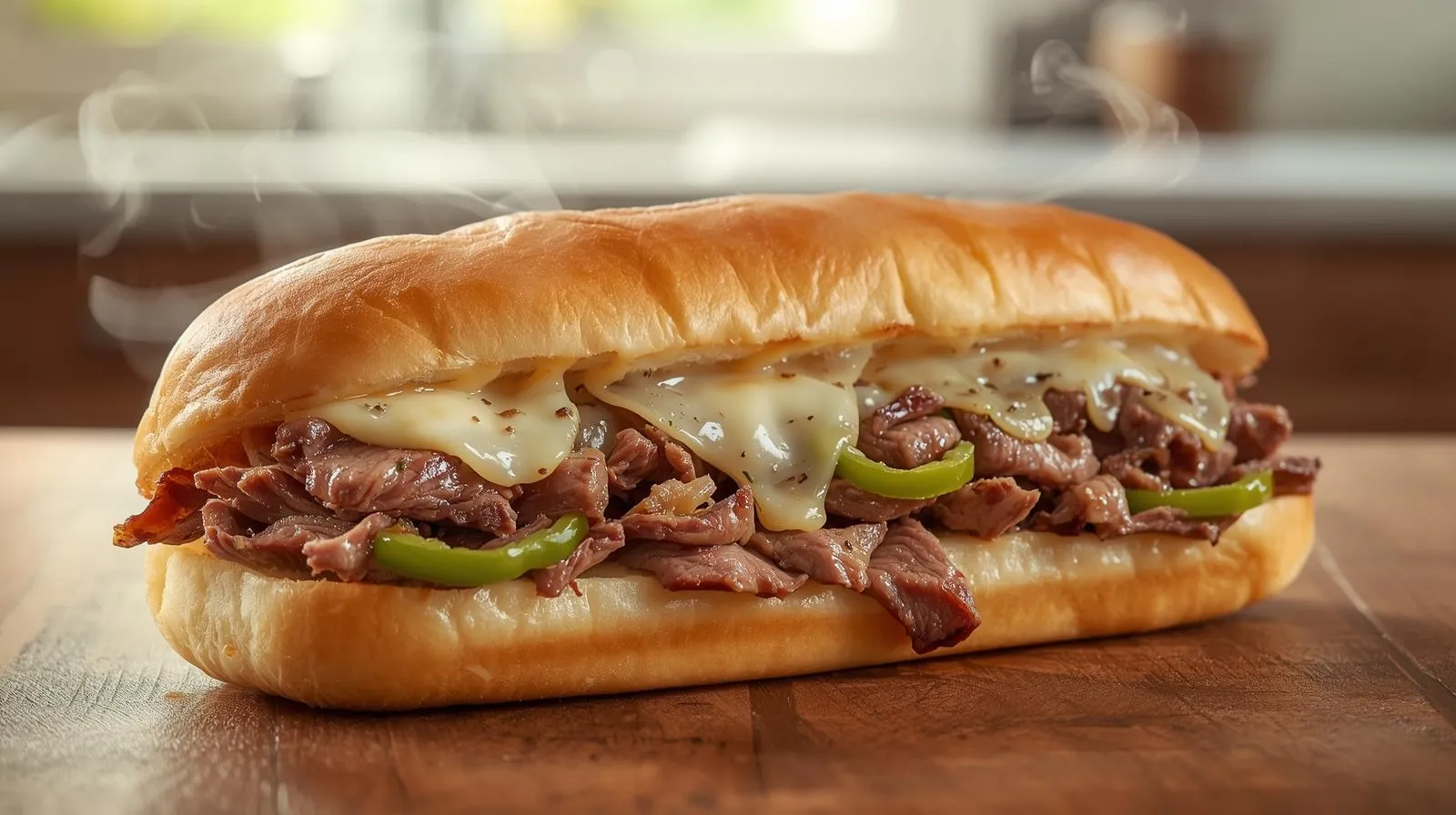
Easy Philly Cheesesteak Recipe (Ready In 20 Minutes)

Few dishes define comfort quite like a cheesy, toasted sandwich loaded with succulent beef. When you need a high-quality meal without the wait, this Easy Philly Cheesesteak Recipe is the ultimate solution. It delivers that iconic Philadelphia flavor—tender steak and melted cheese on a perfectly soft roll—in a fraction of the time.
You don’t need a professional griddle or a trip to Philly to achieve authentic results. In just 20 minutes, you can create a restaurant-quality cheesesteak that is both indulgent and deeply satisfying. This recipe is engineered for efficiency, making it the perfect choice for busy weeknights or sudden cravings.
This guide provides a foolproof method to mastering the Easy Philly Cheesesteak Recipe at home, ensuring a flavorful, protein-packed result that works every single time.
Table of Contents
Why This Easy Philly Cheesesteak Recipe Works Every Time
When you cook at home, consistency matters. You want a recipe that delivers the same great result each time you make it. This easy Philly cheesesteak recipe is built around simple principles that never fail.
- Fast cooking time: Thin beef and high heat mean everything cooks quickly
- Minimal ingredients: No unnecessary extras that distract from the core flavors
- One-pan method: Less cleanup and more control
- Balanced flavors: Savory beef, sweet onions, and creamy melted cheese
Because you are working with high heat and thin slices, the beef stays juicy instead of dry. The onions soften just enough to add sweetness without overpowering the sandwich. The cheese melts directly into the meat, creating that signature cheesesteak texture you want.
This approach keeps the recipe reliable, whether it is your first time making a cheesesteak or your tenth.
What Is a Philly Cheesesteak? A Quick Background
Before you cook, it helps to understand what makes a cheesesteak a cheesesteak.
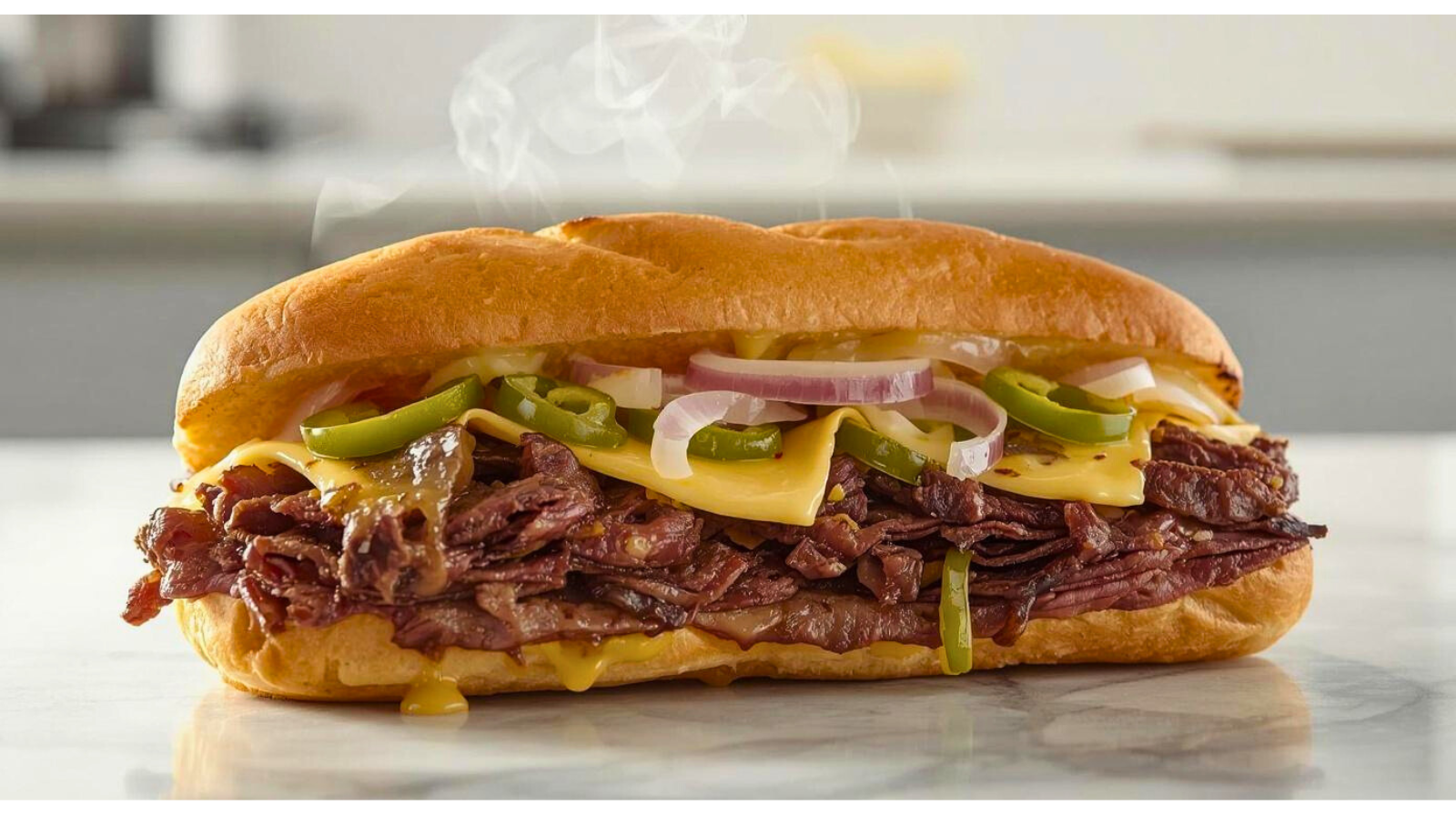
A Philly cheesesteak is a classic American sandwich that originated in Philadelphia . it traditionally consists of thinly sliced beef, cooked onions, and melted cheese served on a long, soft hoagie roll. At its core, it is simple:
- Thinly sliced beef
- Cooked onions
- Melted cheese
- A long, soft hoagie roll
That simplicity is exactly why quality and technique matter. There is nowhere to hide. Each ingredient plays a clear role, and when they come together correctly, the result is greater than the sum of its parts.
Traditional versions keep things straightforward. While many variations exist today, the heart of the sandwich remains the same. This easy Philly cheesesteak recipe respects that foundation while making it accessible for home cooking.
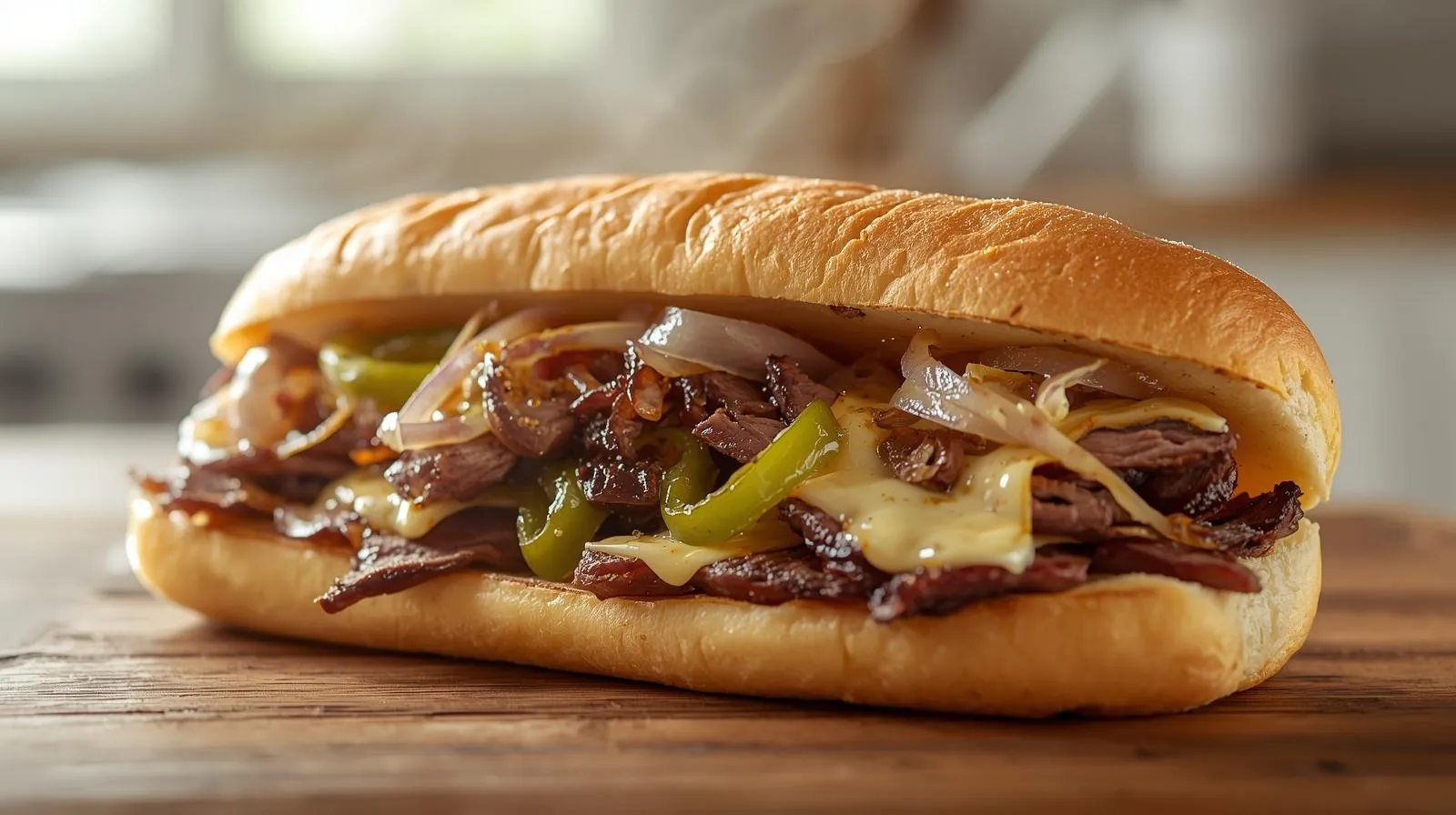
Ingredients for Easy Philly Cheesesteak Recipe
Using the right ingredients is the fastest way to improve your results. You do not need many items, but each one should be chosen with care.
Ingredients Table
| Ingredient | Quantity | Notes |
|---|---|---|
| Thin-sliced beef (ribeye or sirloin) | 450 g (1 lb) | Ribeye is most traditional |
| Hoagie or sub rolls | 4 rolls | Soft but sturdy |
| Yellow onion | 1 large | Thinly sliced |
| Provolone or American cheese | 6–8 slices | Choose based on preference |
| Oil or butter | 1–2 tbsp | For cooking |
| Salt | To taste | Season lightly |
| Black pepper | To taste | Optional but recommended |
Optional (non-traditional):
- Mushrooms
- Bell peppers
- Hot peppers
If you want the most authentic experience, stick to the core ingredients. If you enjoy experimenting, add extras carefully so they do not overpower the beef and cheese.
Best Beef for an Easy Philly Cheesesteak Recipe
The beef is the star of the sandwich, so your choice matters.
Recommended Cuts
- Ribeye: Rich, tender, and traditional
- Sirloin: Leaner but still flavorful
- Pre-shaved steak: Convenient and fast
Ribeye delivers the most classic result because its fat content keeps the meat juicy during quick cooking. Sirloin works well if you prefer a slightly leaner bite.
How to Slice Beef Thin at Home
If your beef is not pre-sliced, you can prepare it easily.
- Place the beef in the freezer for 20–30 minutes
- Use a very sharp knife
- Slice thinly against the grain
This method makes slicing easier and ensures tender bites when cooked.
How to Make Easy Philly Cheesesteak Recipe (Step-by-Step)
This is where everything comes together. Follow these steps, and you will have a cheesesteak ready in minutes.
Step-by-Step Instructions
- Heat your pan
Place a large skillet or pan over medium-high heat. Add oil or butter and let it heat until shimmering. - Cook the onions
Add the sliced onions and cook for 3–4 minutes, stirring often, until soft and lightly golden. Remove them from the pan and set aside. - Cook the beef
Increase heat slightly. Add the beef in a single layer. Season with salt and black pepper. Cook for 2–3 minutes, stirring quickly so it browns without overcooking. - Combine beef and onions
Return the onions to the pan and mix them with the beef. - Melt the cheese
Lay cheese slices directly over the hot beef mixture. Turn off the heat and let the cheese melt naturally. - Assemble the sandwich
Spoon the mixture into the hoagie rolls. Serve immediately.
From start to finish, the process takes about 20 minutes, making this easy Philly cheesesteak recipe perfect for busy days.
Cheese Options for the Perfect Philly Cheesesteak
Cheese choice can change the entire character of the sandwich. Each option brings something different.
Traditional Choices
- Provolone: Mild, slightly sharp, and balanced
- American cheese: Creamy and smooth
- Cheese Whiz: Bold, rich, and iconic
Flavor Comparison
- Provolone melts evenly and complements the beef
- American cheese creates a classic diner-style texture
- Cheese Whiz delivers maximum creaminess
You should choose the cheese that matches your taste. There is no wrong option as long as it melts well.
Tips for the Best Easy Philly Cheesesteak Recipe
Small details make a big difference.
- Use high heat to sear the beef quickly
- Do not overcrowd the pan
- Season lightly; the beef flavor should shine
- Assemble the sandwich while everything is hot
Following these tips helps you avoid soggy bread or dry meat.
Easy Variations and Add-Ons
Once you master the basics, you can customize your cheesesteak.
Popular Variations
- Chicken cheesesteak: Use thin chicken breast instead of beef
- Mushroom cheesesteak: Add sautéed mushrooms for extra depth
- Spicy cheesesteak: Add sliced hot peppers
Traditional vs Optional
While these variations are popular, the classic version remains beef, onions, and cheese. Think of add-ons as optional enhancements rather than requirements.
What to Serve with a Philly Cheesesteak
A cheesesteak is filling on its own, but sides can complete the meal.
- French fries
- Sweet potato fries
- Coleslaw
- Simple green salad
Choose sides that balance the richness of the sandwich.
Storage and Reheating Tips
Cheesesteaks are best enjoyed fresh, but leftovers can be handled properly.
- Store beef and onions separately from bread
- Keep in an airtight container in the refrigerator
- Reheat in a skillet over medium heat
Avoid the microwave if possible, as it can make the bread soggy and the beef rubbery.
Easy Philly Cheesesteak Recipe FAQs
Is this Easy Philly Cheesesteak Recipe authentic?
Yes, it follows the traditional method using thin beef, onions, and melted cheese while adapting it for home kitchens.
Can you make this Easy Philly Cheesesteak Recipe ahead of time?
You can prep the ingredients ahead, but cook and assemble just before serving for best texture and flavor.
What cheese works best for an Easy Philly Cheesesteak Recipe?
Provolone, American cheese, and Cheese Whiz are all excellent options. Choose based on your preference.
Can you use chicken instead of beef in this Easy Philly Cheesesteak Recipe?
Yes. Thinly sliced chicken breast works well and cooks just as quickly.
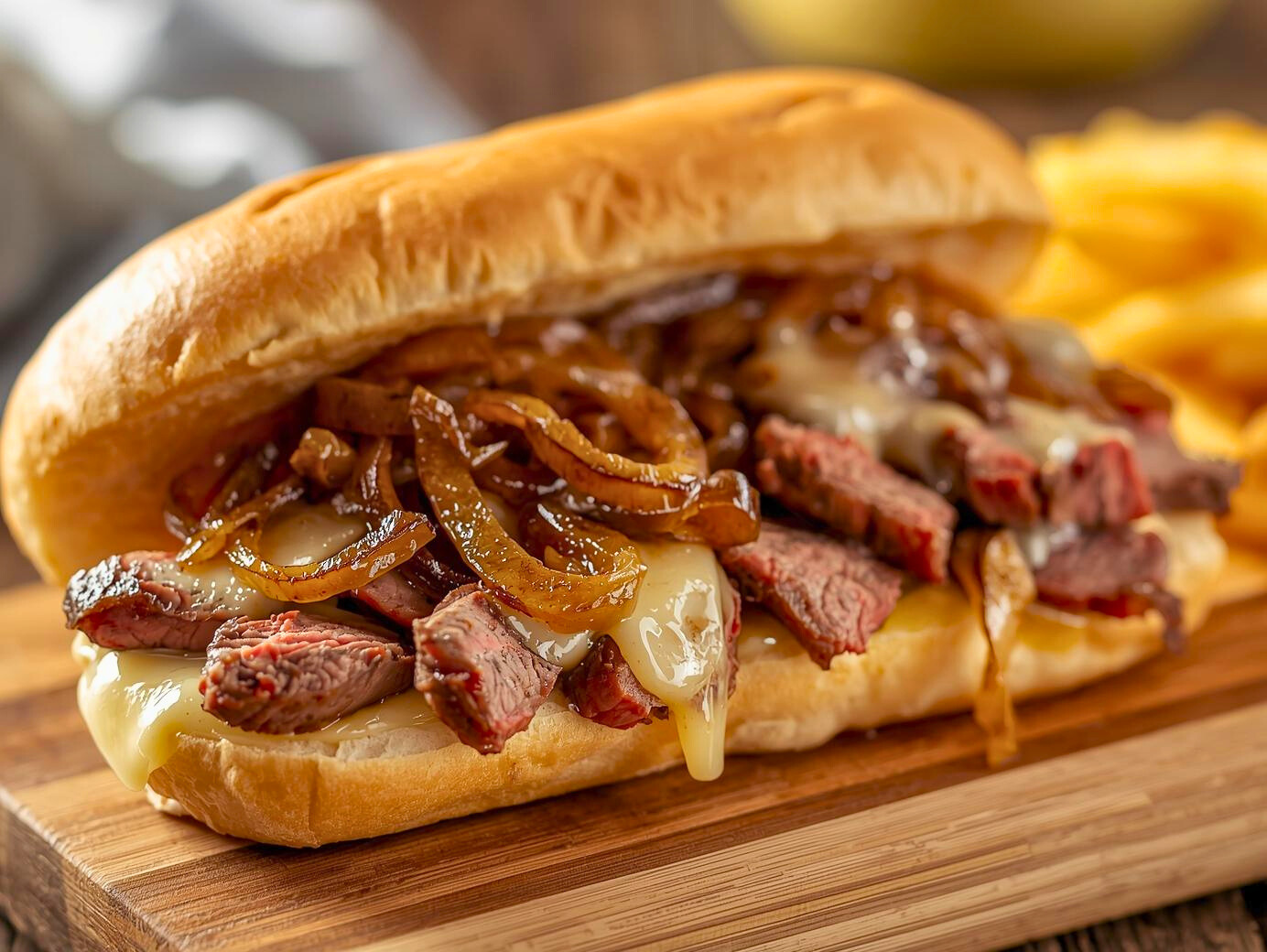
Conclusion: A Fast, Comfort-Food Classic You Will Make Again
This Easy Philly Cheesesteak Recipe proves that great food does not have to be complicated. In just 20 minutes, you can create a sandwich that feels indulgent, comforting, and deeply satisfying. You control the ingredients, the flavor, and the freshness, all without sacrificing time.
If you are looking for a reliable dinner idea, a crowd-pleasing lunch, or a way to beat takeout cravings, this recipe delivers every time.
Now it is your turn. Try this easy Philly cheesesteak recipe today, customize it to your taste, and share your experience. If you found this guide helpful, explore more homemade recipes and turn everyday meals into something you genuinely look forward to.